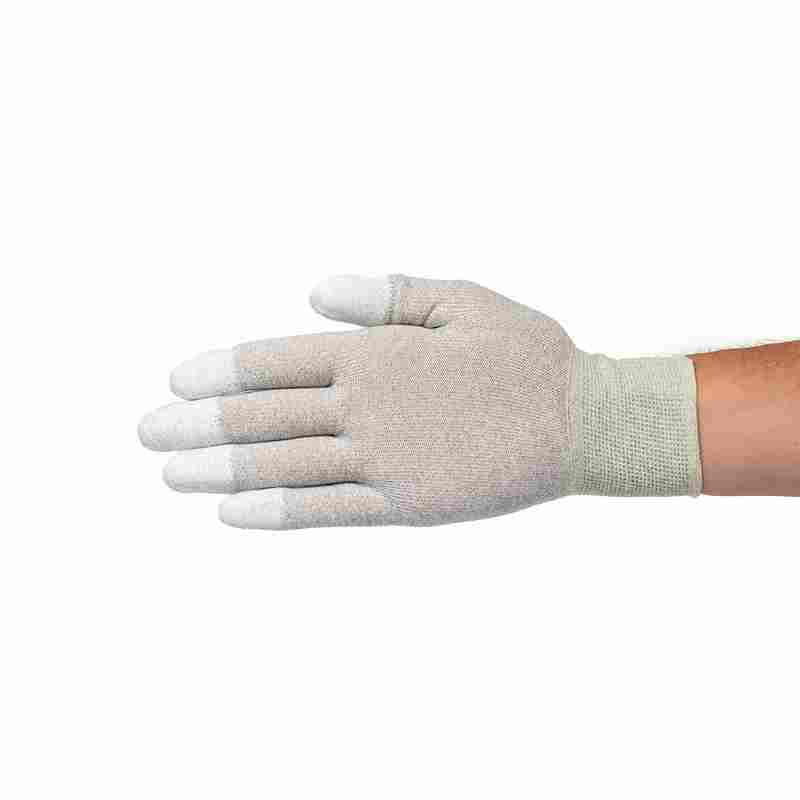
Anti Static Gloves for ESD Control
What are ESD-safe Gloves?
Electro-static Dissipative (ESD) gloves are designed to protect both electronic components and workers from the risks of static discharge.
They are commonly used in:
- Electronics manufacturing
- Laboratories and biotech environments
- Healthcare settings
- Cleanrooms and microelectronics industries
These ESD safety gloves are especially important in low humidity and particle-sensitive environments, where static build-up can easily occur.
What industries use ESD Gloves?
Many industries rely on ESD-safe gloves as part of their safety procedures to protect both workers and products.
Common industries include:
- Electronics manufacturing and assembly
- Cleanroom and microelectronics production
- Laboratories and biotech facilities
- PCB handling and repair
For maximum protection, ESD protective gloves should be used alongside grounding equipment such as anti static wrist straps and grounding cords.
How do ESD-safe Gloves work?
ESD gloves work by controlling static discharge through conductive fibres woven into the material.
They typically:
- Contain conductive carbon fibres
- Dissipate static electricity safely
- Reduce the risk of damage to static sensitive components
Even a small static discharge can damage electronic devices, which is why using the best ESD-safe gloves is essential in controlled environments.
For full protection, gloves should be used together with anti static wrist straps and grounding cords to ensure proper grounding.
ESD Glove Materials
ESD safety gloves are available in different materials, each suited to specific applications:
- Latex gloves: This type of glove is the most commonly used ESD glove material as it provides the best cost-effective solution to static control. However, they are not suitable for those with latex allergies.
- Vinyl gloves: Latex-free but less durable and puncture-resistant.
- Nitrile gloves: Highly durable and puncture-resistant, ideal for demanding tasks. Suitable for those with latex allergies.
- Fabric gloves: Reusable, breathable, and comfortable for long-term use. Cost effective option. Can be washed.
Choosing the right material depends on your environment, required durability, and any chemical exposure.
When Should You Use ESD Gloves?
ESD-safe gloves are essential when handling static-sensitive electronic components or working in static-controlled environments.
Typical applications include:
- Electronics assembly and manufacturing
- PCB repair and handling
- Smartphone and device repair
- Precision packaging and production
- Mechanical and electrical workshops
They are highly recommended for anyone regularly working with electronics.
Benefits of Bondline’s ESD Gloves
- Made from static dissipative polyester with carbon fibres
- Excellent grip with non-slip coating
- Comfortable and breathable for long use
- Protect against oils, dust, and contamination
- Durable and long-lasting
- Suitable for static sensitive electronics handling
How to Choose the Right ESD Gloves
Selecting the right ESD protective gloves depends on several factors:
- Allergy considerations (latex vs synthetic materials)
- Work environment and chemical exposure
- Required grip and dexterity
- Electrical resistance requirements
- Glove thickness and comfort
- Durability and cost over time
Choosing the correct glove ensures both safety and efficiency in your workflow.
General Purpose Gloves vs ESD Gloves
General purpose gloves are suitable for handling and packaging tasks but do not provide static protection. Bondline stock general purpose gloves to help those avoid fingerprint marks and scratches when packaging items, working on motor vehicles, etc.
- ESD gloves: Prevent and dissipate static electricity
- General gloves: No anti-static properties
Never use standard gloves when handling static-sensitive electronic components always use ESD safety gloves.
What is the Shelf Life of ESD Gloves?
The lifespan of ESD-safe gloves depends on material and storage conditions:
- Latex gloves: ~3 years
- Nitrile and synthetic gloves: up to 5 years
- Fabric ESD gloves: typically 1–2 years
Store gloves in a cool, dry, and dark environment to maximise performance and lifespan.
Our Range of ESD Gloves
Our selection includes:
Bondline is a leading UK supplier and vast stockist of ESD-safe products and consumables worldwide. We offer a wide range of ESD-safe gloves to suit all sorts of requirements and budgets.
Bondline can help you choose the right type of glove for your company and ESD needs. If you need help on choosing the right glove, please contact us and we’d be happy to help!
Contact Us
Order your high-quality ESD-safe gloves from Bondline today!
View our vast range of anti-static gloves above, or fill in the form below to get in contact with one of our ESD specialists for advice on the best ESD-safe gloves for your application.
 Skip to content